Skip to content Skip to footer

Classics Parade

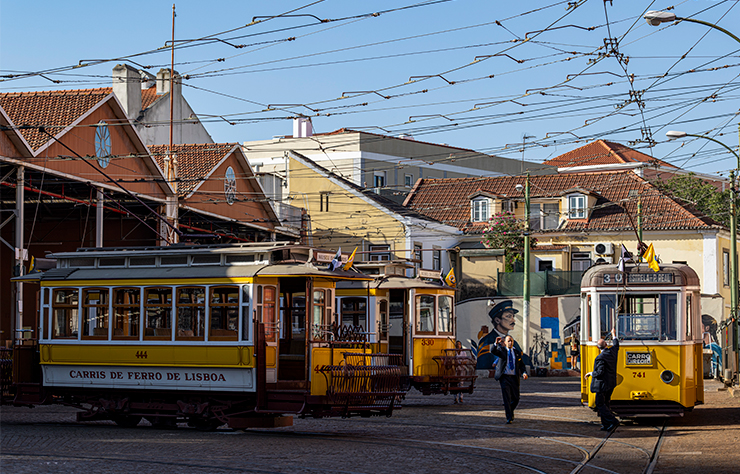
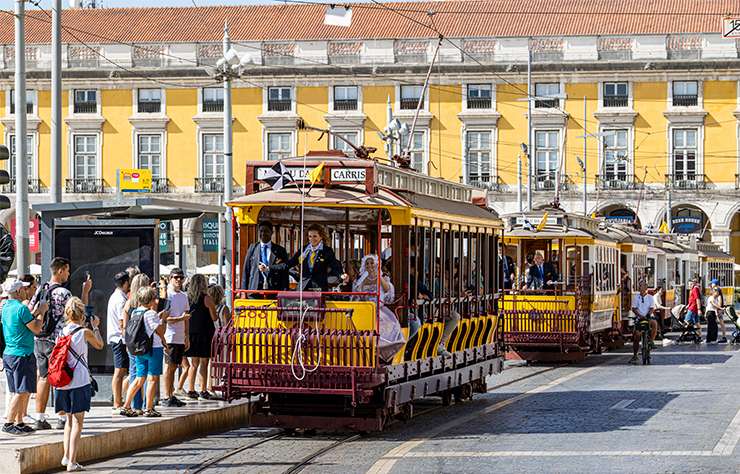
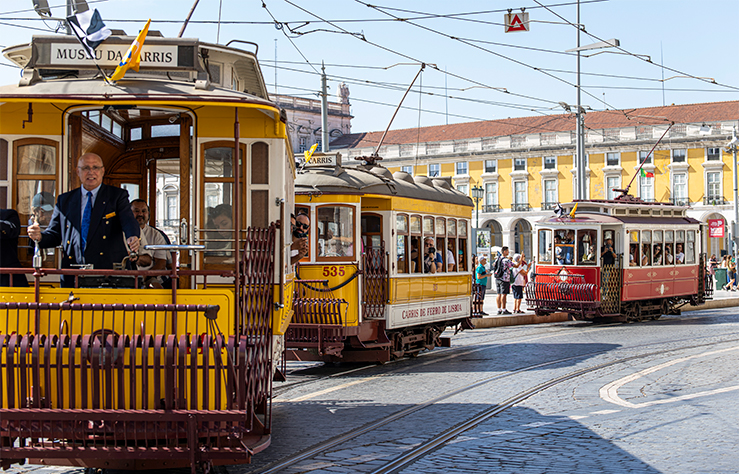
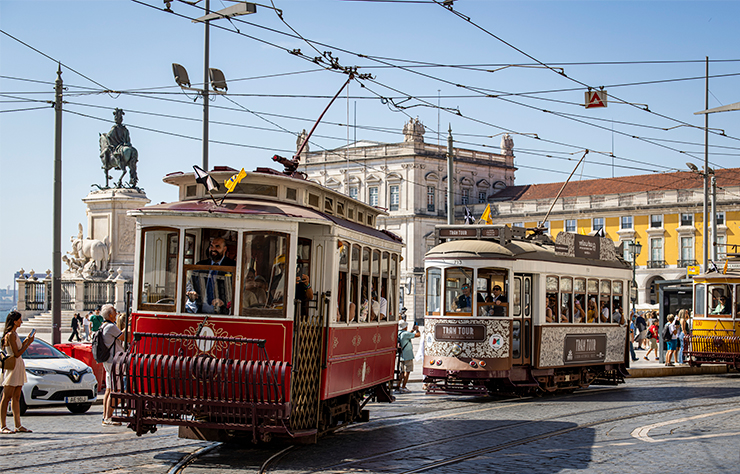
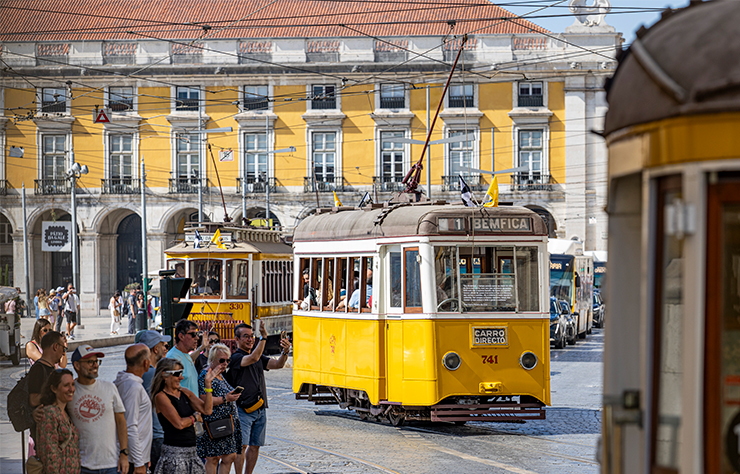
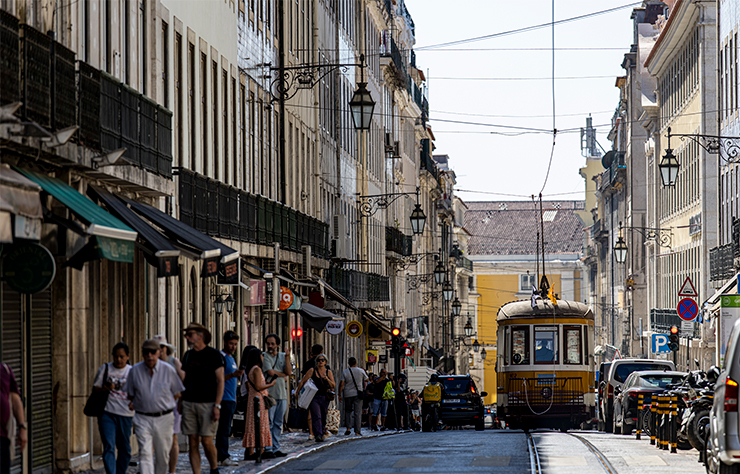
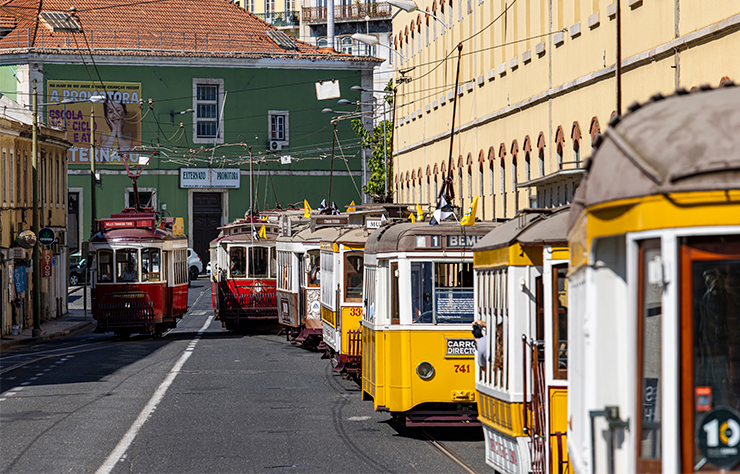
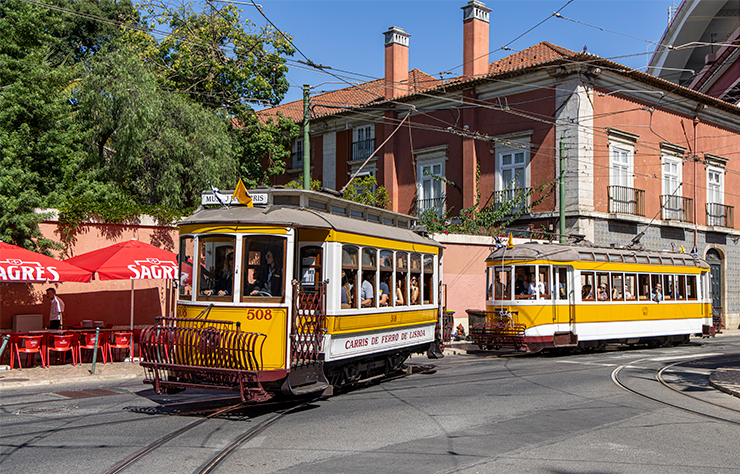
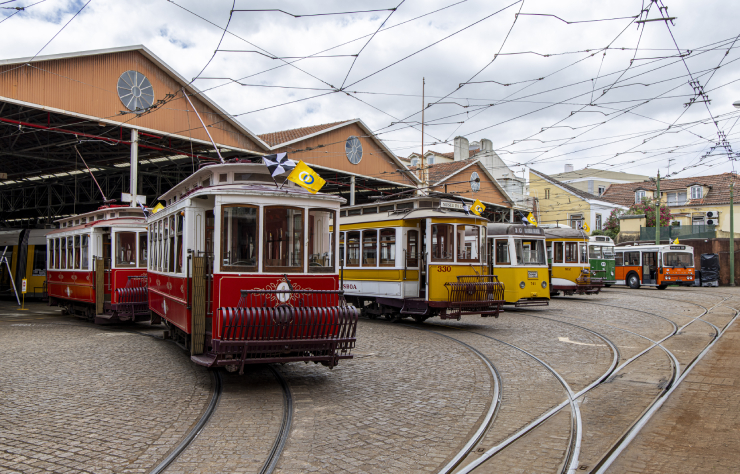
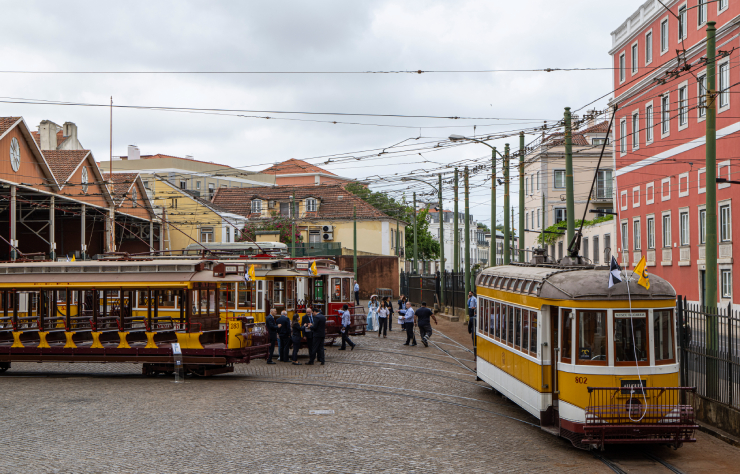
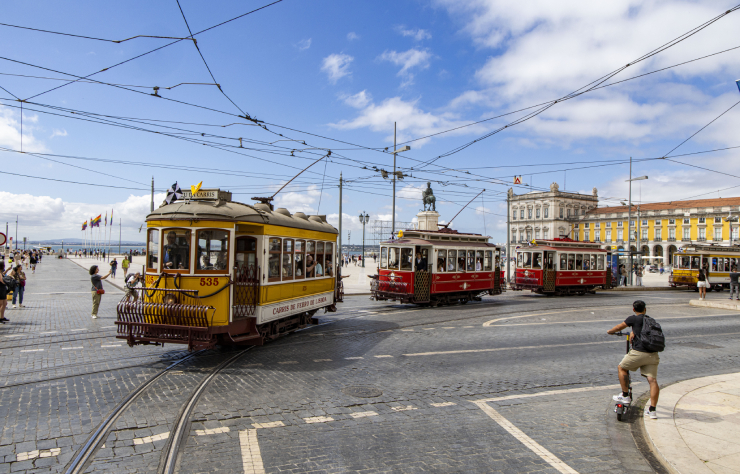
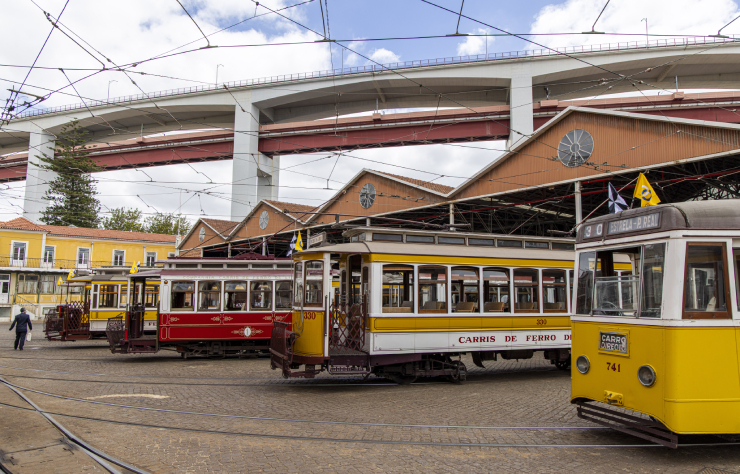
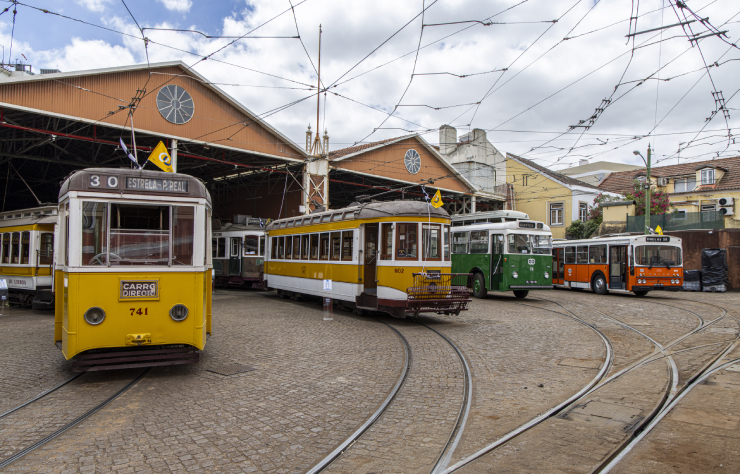
The Classics Parade is an event organised by CARRIS and the Carris Museum, bringing some of CARRIS’s most iconic vehicles back onto the streets of Lisbon, where they have been operating since the beginning of the 20th century.

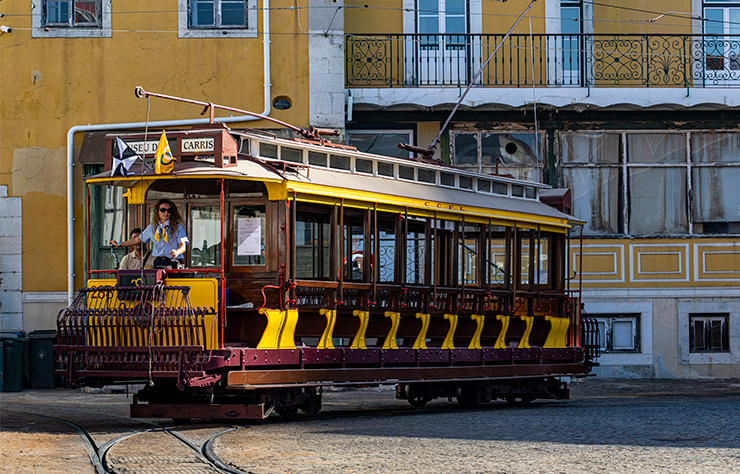
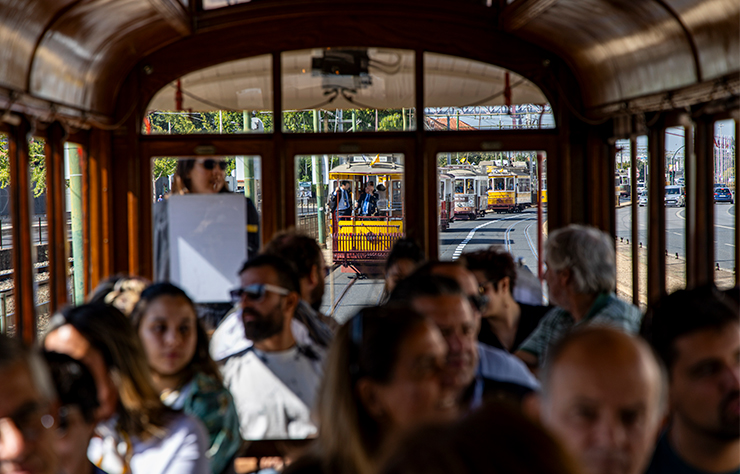
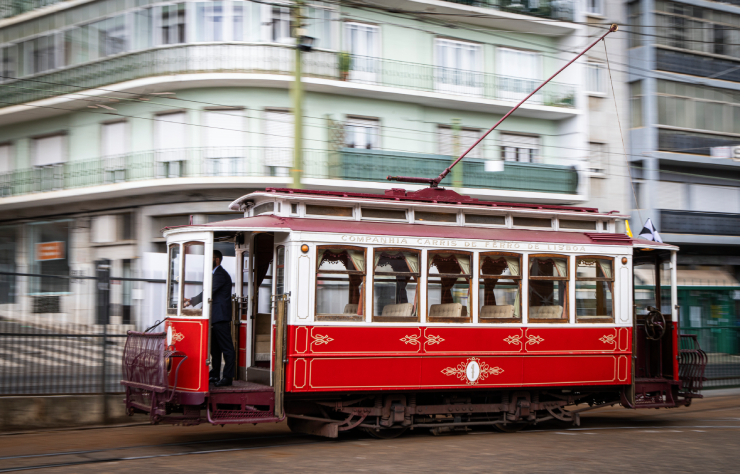
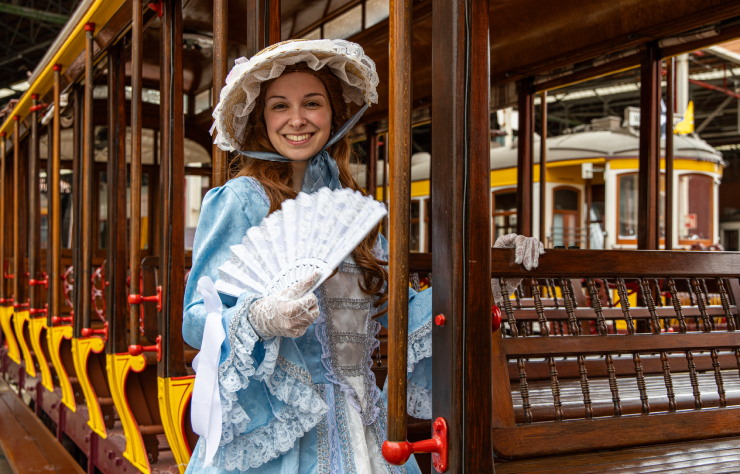
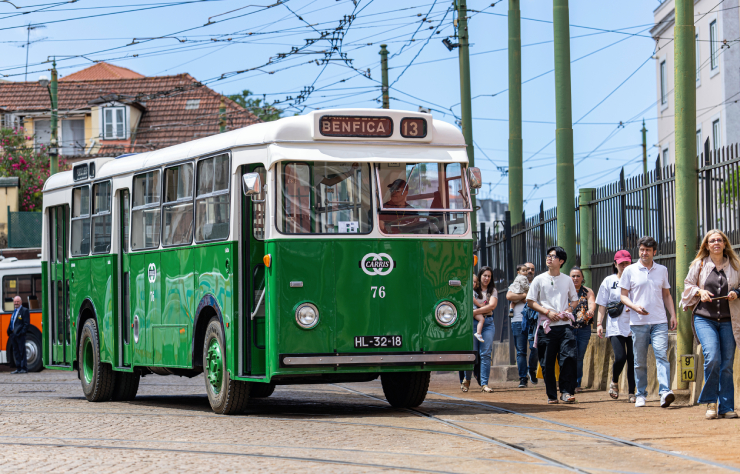
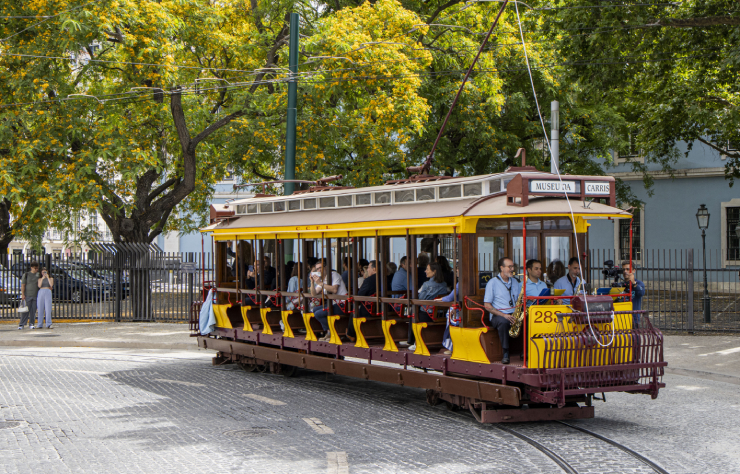
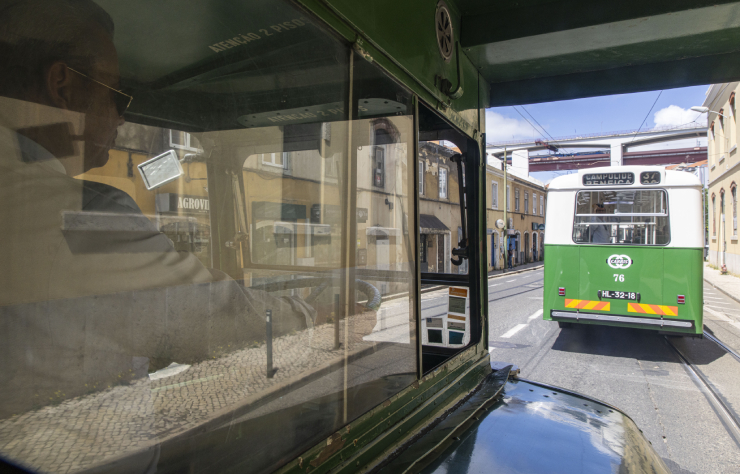
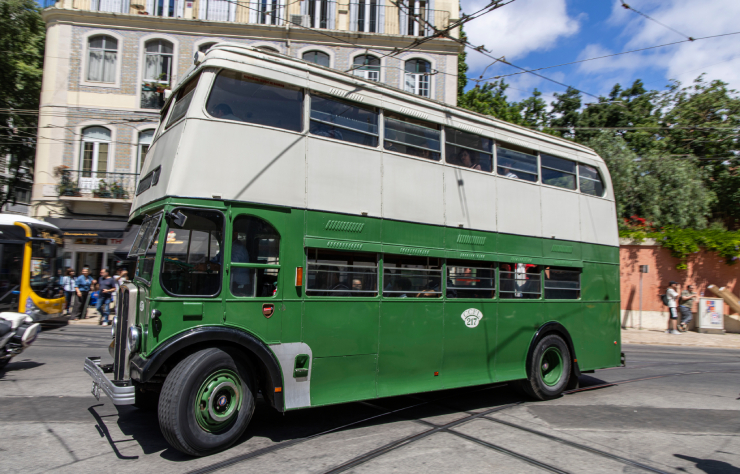
From the trams imported from the United States in 1901 to the first tram built in the workshops of Santo Amaro Depot, the Classics Parade offers the opportunity to travel on a tram with wicker seats, a double-decker bus, or an orange bus. 

CLASSICS PARADE

19 SEPTEMBER

On Saturday, 19 September, the Classics Parade returns to the streets of Lisbon with two journeys towards Praça da Figueira, departing from Santo Amaro Depot at 11:00am and 4:00pm.
Part of the programme for the European Mobility Week 2026, organised by Lisbon City Council under the theme “Mobility for All – Intergenerational Justice”, this edition of the Classics Parade celebrates 125 years of electric traction in Lisbon and the 154th anniversary of the founding of Companhia Carris de Ferro de Lisboa (CARRIS).
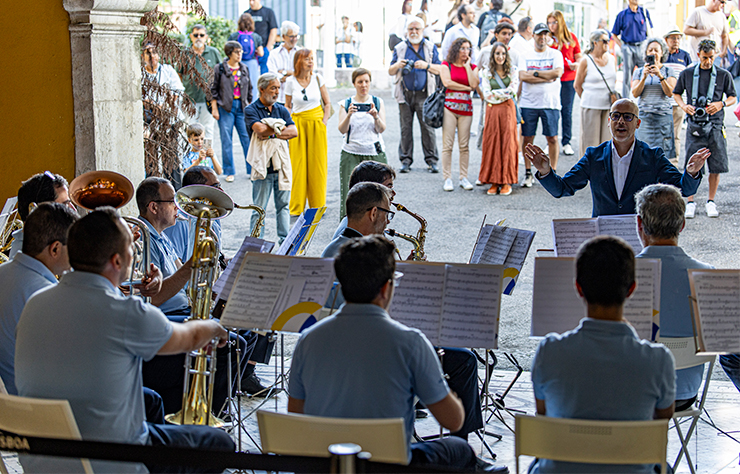
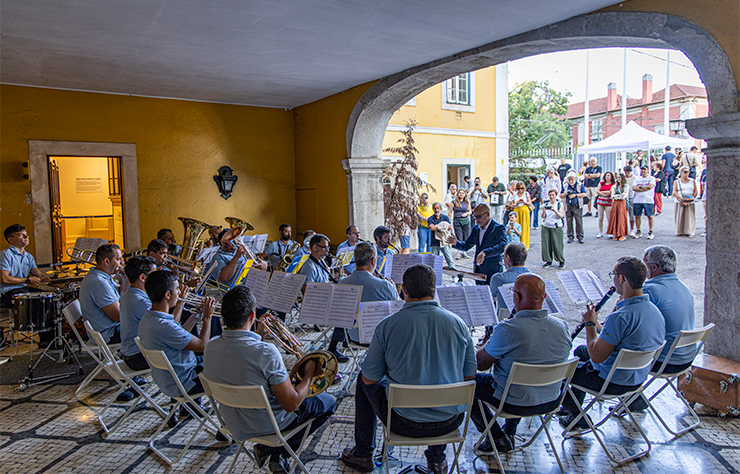
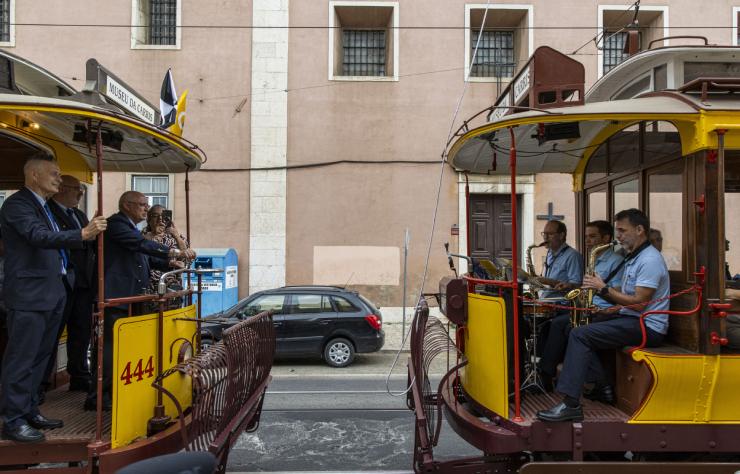
The Classics Parade offers a unique opportunity to travel aboard an early 20th-century tram with wicker seats, one of the first trams built in the CARRIS workshops, or a 1940s tram fitted with wooden seats. Check-in for the morning journey opens at 10:00am, while check-in for the afternoon journey opens at 3:00pm. Before the parade, the Carris Band will perform beneath the arcades of the Carris Museum.
Tickets for the Classics Parade are available exclusively through the BOL online ticket office, via the dedicated Classics Parade webpage: https://carris.bol.pt. There you will find full information of the journeys and vehicles available.
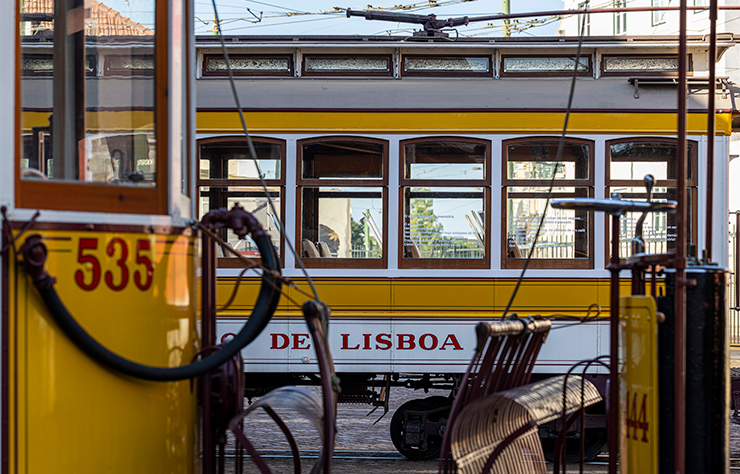
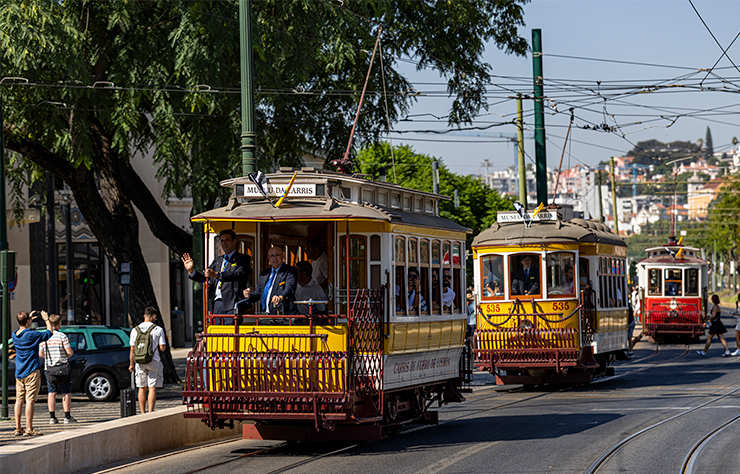
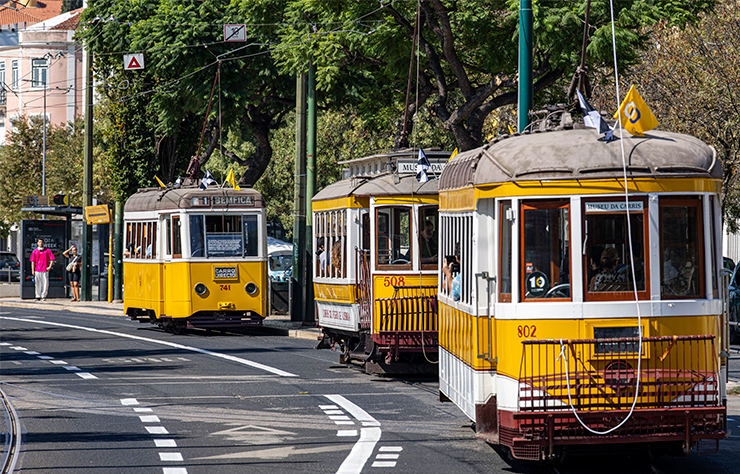
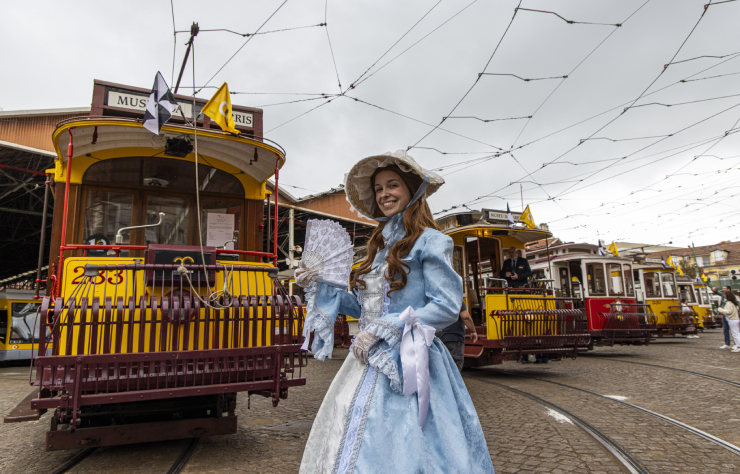
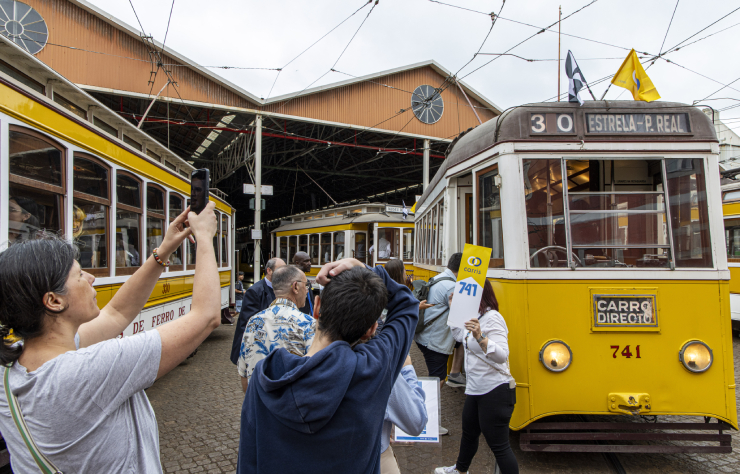
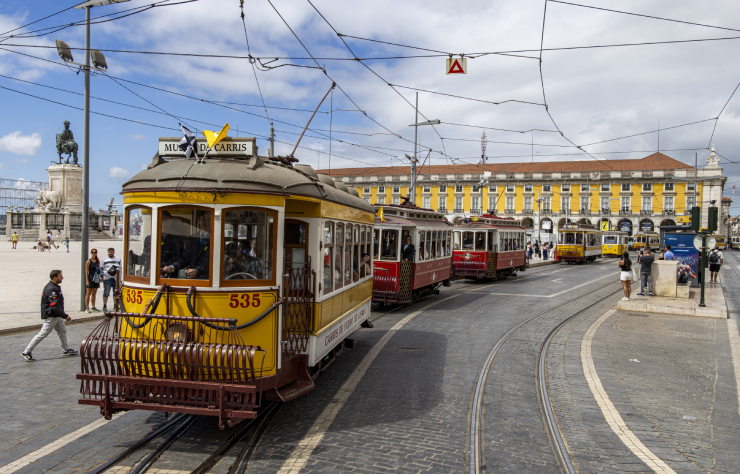
A total of ten trams will take part in the parade on 19 September. Departing from the Carris Museum will be the following Historic Trams: Tram T1 (1901), “São Luís” Tram No. 444 (1901), Open Saloon Tram No. 283 (1902), Closed Saloon Tram No. 330 (1906), Tram No. 508 (1924), “Bigodes” Tram No. 535 (1928), “Boi” Tram No. 802 (1939), and “Caixote” Tram No. 741. Joining them will be two Themed Trams: Tram No. 713, decorated inside and out with Madeira embroidery by Bordal – Bordados da Madeira, and Tram No. 745, clad in cork as part of the Electri’Cork project created in 2015 by visual artist Nuno Vasa, using cork supplied by Sofalca and Pelcor.

INFORMATION ABOUT THE CLASSICS PARADE

Date and Times of the Journeys
– The Classics Parade takes place on 19 September 2026, with two circular journeys between Santo Amaro Depot and Praça da Figueira, departing from Santo Amaro at 11:00am and 4:00pm.
– This edition of the Classics Parade celebrates the 125th anniversary of the inauguration of electric traction in Lisbon, featuring 10 historic and themed trams.
Ticket Prices
– Tickets for the Classics Parade are priced at €10 per adult and €7.50 for those under 18 years of age. Admission is free for children aged up to and including 3 years old.
– Children under 3 years of age must sit on their parent or guardian’s lap during the Classics Parade.
– The above prices are subject to the booking fee charged by the BOL platform.
Ticket Sales via BOL
– Tickets for the Classics Parade are available exclusively through the BOL online ticketing platform at: https://carris.bol.pt/
– BOL is an online ticketing service that enables the purchase of tickets for a wide range of events.
– Once payment has been confirmed through the BOL platform, you will receive your Classics Parade ticket(s) by email, according to the vehicle and seat(s) selected. On the day of the Classics Parade, you must present your ticket at check-in.
– In accordance with BOL’s terms and conditions, purchased tickets are non-refundable and non-exchangeable.
Parade Vehicles and Route
– The Classics Parade offers 150 seats for the 11:00am departure and 184 seats for the 4:00pm departure.
– The historic vehicles participating in the Classics Parade on 19 September are Trams T1, No. 444, No. 283, No. 330, No. 508, No. 535, No. 802, No. 741, No. 713 and No. 745. CARRIS reserves the right to substitute any tram for technical reasons.
– The Classics Parade follows a circular route departing from Santo Amaro Depot to Praça da Figueira before returning to the starting point. Boarding and alighting are only permitted at Santo Amaro Depot. There are no intermediate stops during the journey. CARRIS reserves the right to alter the route for reasons beyond its control.
Conditions of Participation
– All passengers must remain seated throughout the journey in the seat allocated and confirmed during check-in.
– For the 11:00am Parade, compulsory check-in opens at 10:00am. For the 4:00pm Parade, compulsory check-in opens at 3:00pm. Check-in closes 10 minutes before departure.
– The check-in area is located at the entrance to the Carris Museum, Santo Amaro Depot, Rua 1.º de Maio, No. 101-103, Lisbon.
Boarding for the Classics Parade, conducted by vehicle call-up, begins 15 minutes before departure.
Participants travelling on the 11:00am Parade must present themselves at the entrance to the Carris Museum by 10:45am.
Participants travelling on the 4:00pm Parade must present themselves at the entrance to the Carris Museum by 3:45pm.
– Failure to present yourself at the entrance to the Carris Museum within the times specified above will result in the loss of your place on the Classics Parade.
Additional Information
– Parking inside Santo Amaro Depot is not permitted on the day of the Classics Parade.
– Baby pushchairs, prams and carrycots are not permitted on board the parade vehicles.
– Eating is not permitted inside the parade vehicles.
– Tickets for the Classics Parade are non-refundable in the event of failure to attend check-in at the designated time or for any other reason.
– Classics Parade tickets cannot be exchanged.
We recommend arriving early to enjoy the full experience and to attend the performance by the CARRIS Band. We wish you a pleasant journey! 🚋

Stars of Classcis Parade

This year’s Classic Parade, taking place on 19 September, is dedicated exclusively to CARRIS’s iconic yellow tram. It was on 31 August 1901 that the first CARRIS trams departed from Santo Amaro Depot.
Among the trams participating in this year’s parade are Tram T1 and Tram No. 444, two vehicles from the first series of enclosed trams that entered service in Lisbon in 1901.
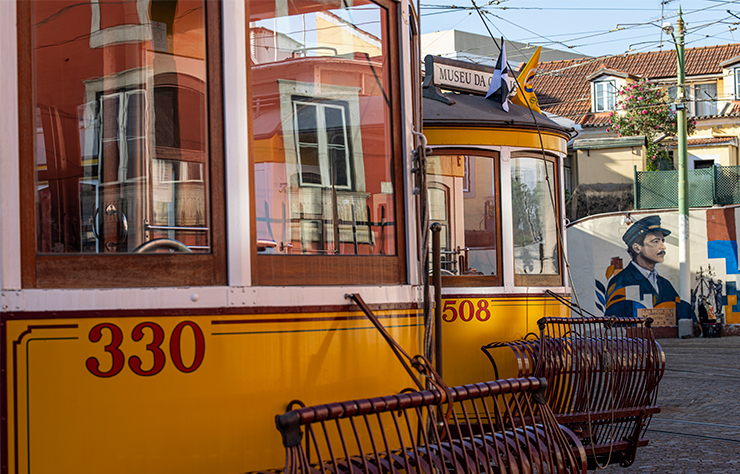
The following year, Open Saloon Tram No. 283 also began operating. The term Saloon Tram refers to its larger size, being longer and capable of carrying more passengers than other trams of the period. In 1906, a new series of enclosed Saloon Trams was introduced, including Tram No. 330. All of these vehicles were imported from the United States of America.
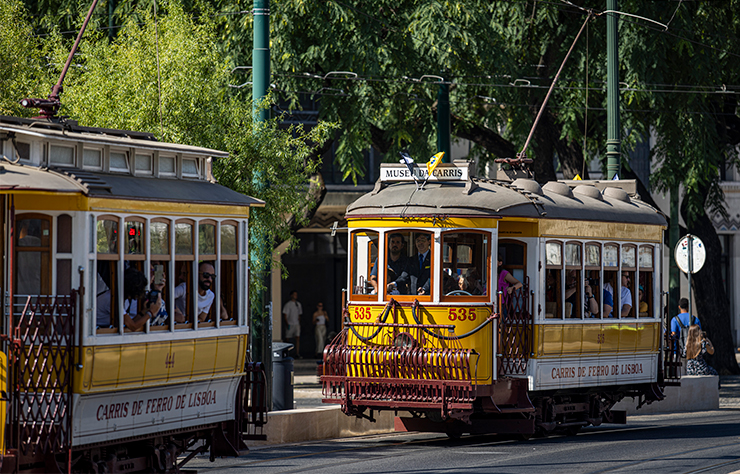
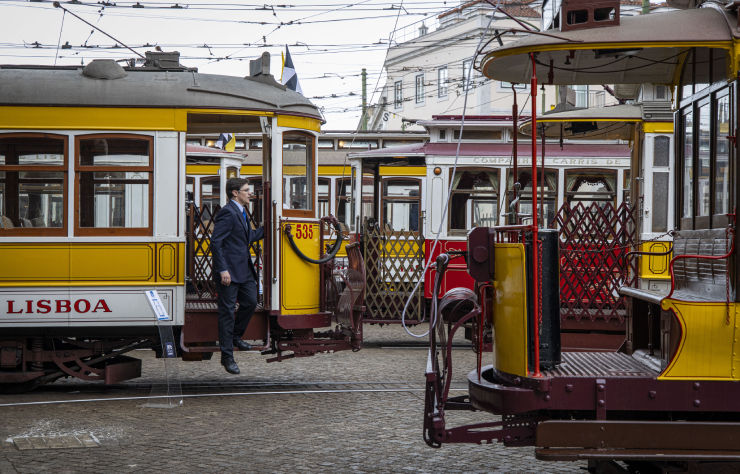
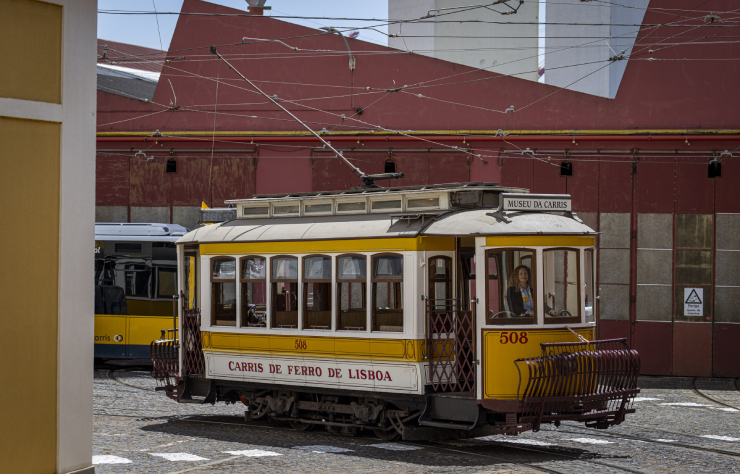
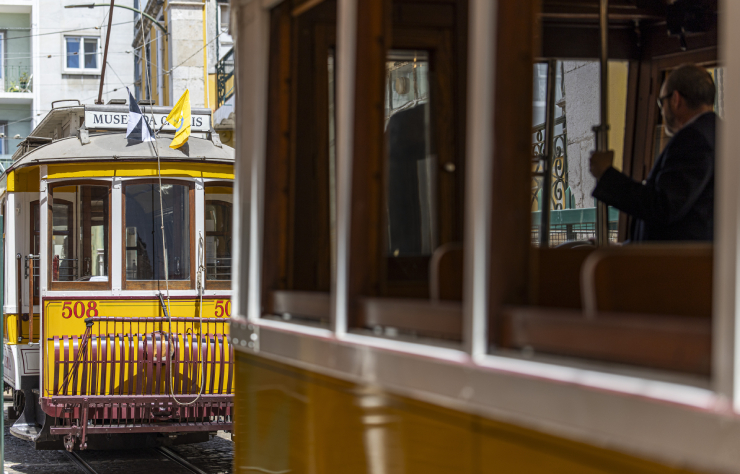
In 1924, CARRIS entered a new phase in the history of Lisbon’s electric tramways with the introduction of the first series of trams whose bodies were built in the company’s own workshops. Tram No. 508, while retaining the design of the American-imported vehicles, belongs to this pioneering series. In 1928, the famous Standard Tram was produced in the CARRIS workshops, and Tram No. 535 emerged, earning the nickname Bigodes (“Moustaches”) because of the black cables used to connect it to a trailer equipped with pneumatic brakes.
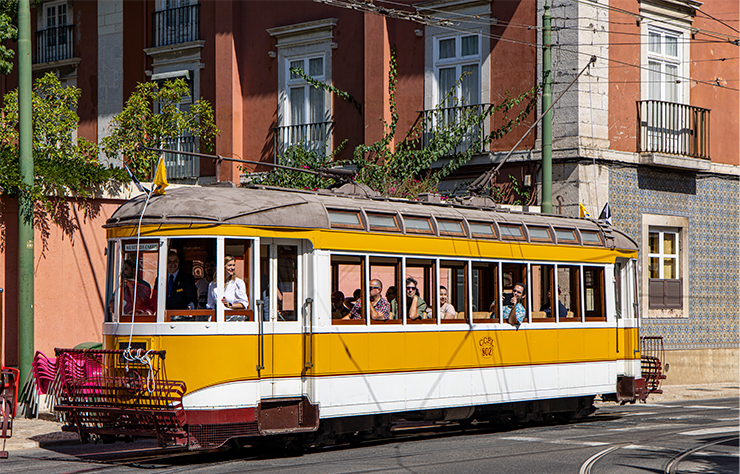
In 1939, the CARRIS workshops produced Tram No. 802. Nicknamed Boi (“Ox”), it was another high-capacity vehicle, designed to serve Lisbon’s principal radial routes. In 1947, CARRIS built the first Caixote (“Boxcar”) trams, of which Tram No. 741 forms part.Joining the Carris Museum’s Historic Trams on 19 September will be the Themed Trams No. 713 and No. 745.

Classics Parade | Previous Editions

6 June 2026

Participate and come see them pass by

Travel in our Classics or wave at them from the street! Among the various examples, you can ride on Tram 283, which began running on rails in 1902, or Tram 444 (the “São Luís”), dating back to 1901, with its rattan benches and ornate wooden ceiling.

Best Choice for Creatives

This Pop-up Is Included in the Theme

Purchase Ozeum